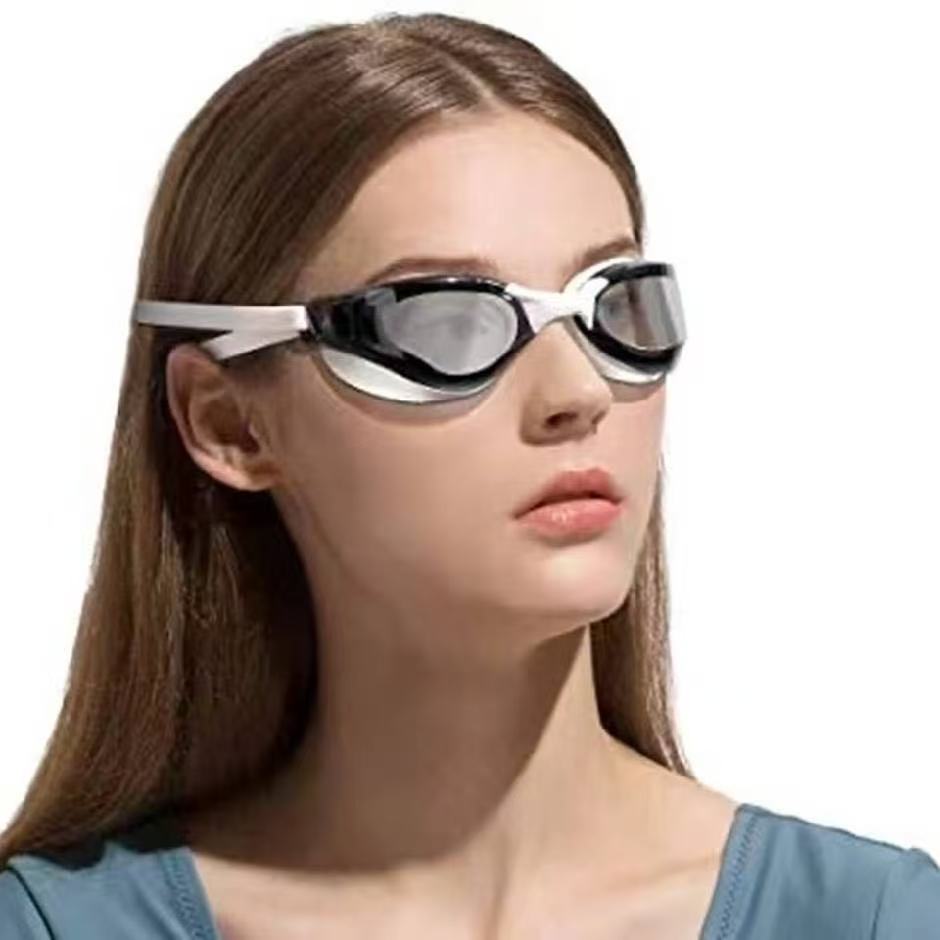
Top Adult Swim Goggles That Combine Comfort and Durability
2026-09-28
If your last swim was cut short by fogged lenses or a cracked strap, you already know: not all adult goggles are built for real use. Comfort and durability rarely show up together—until you test the right models. That's exactly what this guide covers, with OCORT as the brand that refuses to compromise on either.
Soft Silicone Seals That Don't Turn into Viselike Rings
Plenty of silicone ear tips start out fine, then slowly stiffen or press into your ear canal until every pause feels like a slow squeeze. That viselike ring of pressure is usually the result of cheap material or a one-size-fits-all shape that fights your anatomy instead of following it.
These seals stay soft because the silicone blend holds its pliability over time, and the internal taper is cut to distribute contact evenly. Instead of a single hard ridge digging in, you get a gentle, wide contact patch that moves with you. Even after hours of wear, there's no sharp edge, no hot spot, no urge to yank them out.
What changes is how you stop noticing them. The seal does its job quietly, keeping outside noise or moisture out without ever announcing itself. You can wear them through a long flight, a full workday, or a night of sleep and forget they're there. That's the whole point: a seal should close the gap, not close around you.
Quick-Fit Straps You Can Tighten Mid-Swim Without Looking
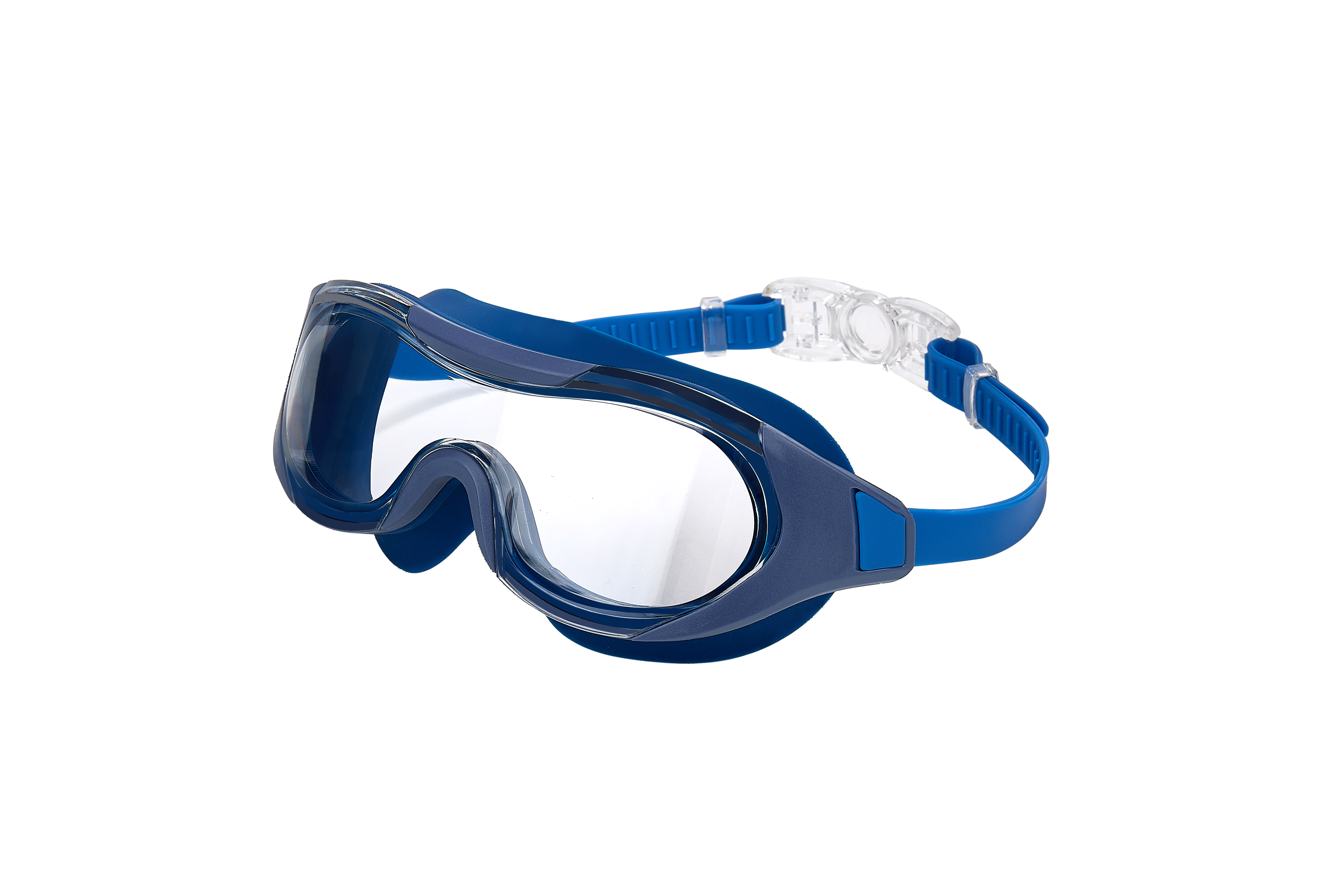
Mid-lap adjustments used to mean stopping, breaking rhythm, and wrestling with a loose strap. The quick-fit design changes that: a low-profile side tab sits right where your thumb naturally rests, so you can give it a short pull without ever lifting your head from the water. The strap slides in small, controlled increments, not big slippery jumps.
Tactile feedback matters here more than you'd expect. Each notch clicks softly as it tightens, so your fingers know exactly how far you've gone even when your goggles are fogged or your eyes are fixed on the bottom of the pool. There's no need to fumble for a clasp or find two hands; one thumb does the whole job.
That single change keeps the seal intact longer. Instead of loosening up over time and letting water creep in, the strap stays snug against the back of your head. You can correct the fit at any point, even mid-turn, without missing a stroke or losing sight of the wall.
Anti-Fog and UV Layers That Survive Daily Chlorine Soaks
Most anti-fog coatings wash out after a week of lap swimming. This one doesn't. The inner lens treatment is bonded into the polycarbonate rather than sprayed on top, so it holds up through repeated exposure to chlorine, sweat, and sunscreen. Even after a full month of daily sessions, the view stays clear from edge to edge without needing to spit, rub, or reapply anything.
The UV protection is just as stubborn. Instead of a thin film that scratches off, the lens material itself carries the UV-blocking agents. That means harsh pool chemicals don't degrade the shield over time. You get the same level of protection on day 60 as you did on day one, whether you're training indoors under bright lights or swimming outside in direct sun.
Wide-Angle Lenses That Actually Match Your Peripheral Vision
Human peripheral vision isn’t a single number: the sharp central area covers roughly 60°, but your total horizontal awareness stretches close to 180°. Most rectilinear wide-angles on full frame only reach about 100–115° at 14–16mm. That gap explains why a 24mm or even a 20mm still feels like looking through a tunnel instead of seeing the way your eyes do.
To get closer, you need extremely short focal lengths and realistic expectations about distortion. A 14mm prime gives around 104° horizontally; an 11mm or 12mm full-frame lens pushes toward 120°, but still falls short of true peripheral coverage. Fisheye designs like an 8–15mm zoom can deliver 180° diagonally, though they bend straight lines. That curvature actually mirrors peripheral awareness—less fine detail, more sense of shape and motion at the edges.
If you want rectilinear ultra-wide without the fisheye curve, a 12–24mm f/2.8 or 14–24mm f/2.8 is about the practical limit before edge distortion becomes hard to manage. A 16–35mm at the wide end works for edge-to-edge realism but doesn’t truly match side vision. Ultimately, matching peripheral vision means choosing between a fisheye curve or a very wide rectilinear lens with software correction—and accepting that no current lens reproduces the eye’s seamless blend of sharp center and soft periphery.
Interchangeable Nose Pieces for a Custom, Leak-Free Fit
Finding a mask that fits well can be tricky, especially around the nose. That's why this design includes a set of interchangeable nose pieces in different sizes. You can easily swap them out to match your face shape, ensuring the cushion sits snugly without pressing too hard. It only takes a moment to try a different size, but the difference in comfort and security is immediate.
A proper seal is everything when it comes to preventing air leaks. With the ability to fine-tune the nasal area, you get a fit that stays put through the night, even if you move around in your sleep. No more waking up to adjust your mask or dealing with annoying hissing sounds from escaping air. The interchangeable pieces let you create a personalized fit that simply works.
Over time, facial contours can change due to weight fluctuations or other factors. Instead of buying a whole new mask, just switch to a different nose piece to maintain that custom feel. It's a practical, cost-effective way to keep your therapy comfortable and effective for the long haul.
Frames That Resist Hairline Cracks After a Year of Lane Sessions
Most frames start showing their age around the six-month mark, especially if you're grinding out lane sessions week after week. The repeated stress from aggressive starts, quick direction changes, and those jarring collisions with the lane dividers eventually works its way into the material. What separates a forgettable frame from one worth keeping isn't just the initial stiffness or weight—it's how the structure handles micro-fatigue over hundreds of hours. The best designs use a blend of reinforced polymers around the high-stress joints, where hairline fractures typically begin, without adding unnecessary bulk to the rest of the chassis.
After a full year of regular lane time, the weak points become obvious. You'll notice tiny cracks forming near the motor mount, the steering block, or wherever the impact from the rails transfers most directly. Frames that resist this kind of damage aren't simply made from thicker material; they're engineered with gradual load dispersion in mind. The geometry matters just as much as the compound. A well-designed frame will flex slightly under pressure and return to shape, rather than building up internal stress that eventually snaps. That's the difference between a frame that still feels precise after twelve months and one that develops a subtle, annoying drift that ruins your consistency.
The real test isn't a single hard hit—it's the accumulation of thousands of smaller ones. When you're picking a frame for longevity, pay attention to the areas where different materials meet. Look for smooth transitions, not sharp right angles, and avoid designs that rely entirely on glue or weak fasteners at those junctions. A frame that survives a year of lane sessions with zero hairline cracks usually has one thing in common: the manufacturer tested it under conditions that mimic actual use, not just a single drop or a static load. That kind of real-world validation is what separates a durable chassis from one that only looks tough on the shelf.
FAQ
Focus on the gasket material and overall fit rather than just the strap tension. Soft silicone gaskets with a wide contact area spread pressure evenly around the eye socket, so you don't get those deep red marks after an hour of laps. Also check that the strap can be adjusted with a simple side-clip mechanism while wearing them, because fiddling with buckles mid-swim quickly turns comfort into frustration.
Silicone wins for both, though it costs a bit more upfront. Rubber gaskets tend to stiffen and crack after a few months of pool chemicals and sun exposure, while silicone stays flexible longer and conforms better to facial contours. The only time I'd suggest rubber is if you're on a very tight budget and swim only occasionally, but even then the comfort difference is noticeable.
A tiny drop of baby shampoo rubbed on the inside of each lens, then rinsed lightly with cool water, works surprisingly well and lasts for a few sessions. Avoid touching the inside of the lens with your fingers afterward, and never wipe them with a towel when wet—that strips away any coating and makes fogging worse. If you swim daily, reapplying the baby shampoo before each session is quick and costs almost nothing.
Clear lenses are the safest all-round choice for indoor pools and overcast days, while lightly tinted or photochromatic lenses handle outdoor glare without being too dark when you go back inside. For most adults who split time between a gym pool and occasional open water, a photochromatic lens is worth the investment because it adjusts automatically. Just keep in mind that very dark mirrored lenses will make indoor lap swimming feel like you're in a cave.
Absolutely, and it's often the overlooked detail that separates a good fit from a leaky one. A goggle with three or more interchangeable nose bridge sizes lets you match the distance between your eye sockets, so the gaskets sit flush without pinching or letting water seep in. If you have a flat or high nose bridge, look for models where the bridge piece is soft and flexible rather than hard plastic, because that adapts better to your facial structure.
If the strap has lost its stretch and you're constantly adjusting it tighter, or if the gasket starts feeling slippery against your skin even after cleaning, the seal is degrading. Another sign is persistent fogging that comes back within minutes despite using anti-fog methods—that usually means the inner lens coating has worn away. Finally, if you notice small cracks developing around the frame or lens edges, replace them immediately because a sudden leak during a flip turn is both annoying and distracting.
For purely indoor lap swimming, no—mirrored lenses reduce light too much and polarized lenses only help with glare off flat surfaces, which you don't get in a pool. But if you swim outdoors even a couple of times a week, a mirrored lens can reduce eye strain significantly, especially in morning or late afternoon sun. Polarized is more useful for open water swimming where reflected light off the water's surface is harsh, so casual pool swimmers can skip it and save money.
Rinse them in cool fresh water after every swim, but don't rub the lenses—just let the water run over them. Store them in a hard case or at least away from direct sunlight and high heat, like a car dashboard, because heat warps the frame and breaks down the silicone. Avoid leaving them in a wet swim bag for hours, since that promotes mold growth on the strap and gasket. A quick shake to remove excess water followed by air drying in a ventilated spot is ideal.
Conclusion
The moment you pull on a pair of adult swim goggles, the first thing you notice is whether the seal digs into your eye sockets or rests there like a second skin. The best designs use soft silicone that stays pliable even after months of use, so the familiar red rings and headaches never show up. You can adjust the straps mid-lap with a simple tug, no mirror required, because the buckle mechanism locks in place without slipping or pinching your hair. Inside, the lenses are shaped to give you a genuinely wide view—you'll see the lane rope and the swimmer in the next lane without turning your head, which is a subtle but crucial advantage when you're sharing a crowded pool. And because every face is different, interchangeable nose pieces let you dial in a fit that stays leak-free whether you're doing a relaxed breaststroke or a hard flip turn.
Durability matters just as much, especially if you swim several times a week. Chlorine can destroy lenses and coatings quickly, so look for goggles with anti-fog and UV protection that's bonded into the lens rather than just sprayed on. That way, after dozens of hours in the water, you're still seeing clearly instead of wiping your goggles every 100 meters. The frame itself should be able to flex and snap back without developing hairline cracks near the temples or the nose bridge—a common failure point after a year of regular lane sessions. When you combine these everyday comforts with long-haul toughness, you get a pair of goggles that feels almost invisible during a workout and still works perfectly twelve months later. That balance of softness where it touches your skin and strength where it takes a beating is what separates a forgettable pair from the one you'll reach for every morning.
Contact Us
Contact Person: Wendy
Email: [email protected]
Tel/WhatsApp: 86 18807398467
Website: https://www.zlfswim.com